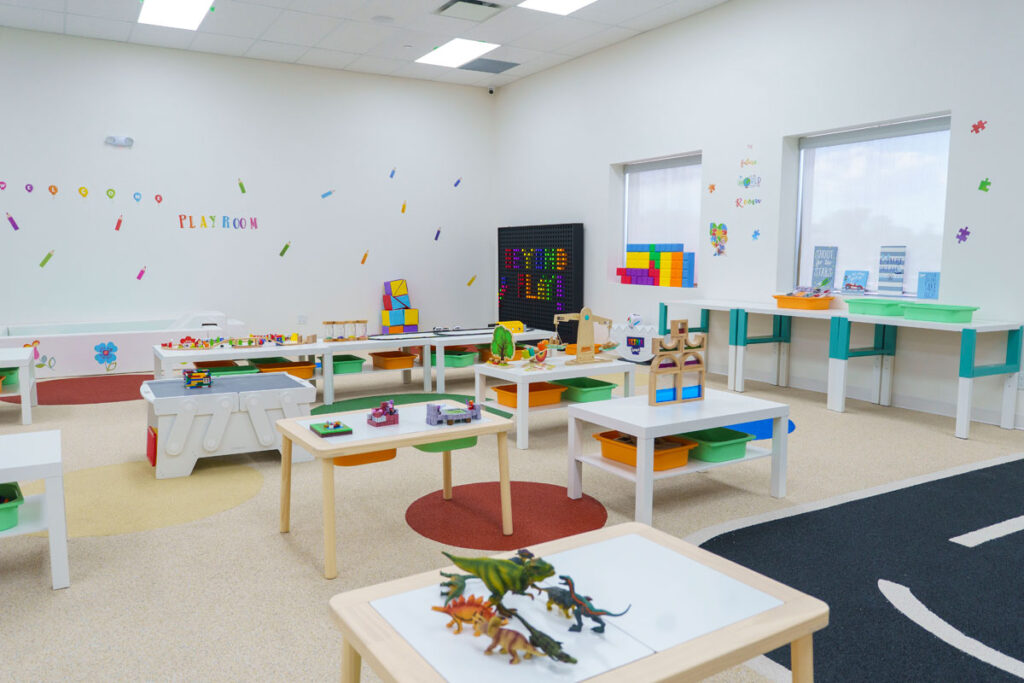
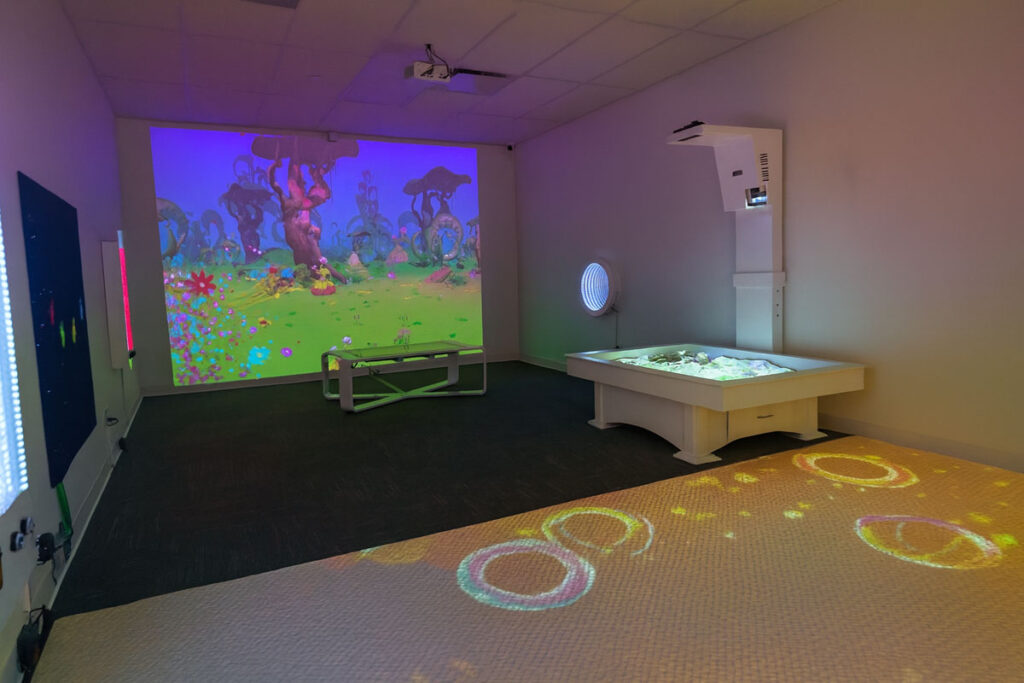
Think about the last time you walked barefoot on the beach. Remember how the sand felt: cool and grainy, shifting under your feet. Or maybe you’ve had moments where you’ve listened to your favorite calming music (say jazz) or watched an ASMR video that made you feel relaxed. Those little sensory experiences are soothing, right? Well, kids need that too—and in fact, they need it more than we do. Sensory play is one of the best ways to help children explore their world, It’s essential for their development. What Is Sensory Play? Simply put, sensory play is any activity that stimulates a child’s senses: touch, sight, hearing, smell, and sometimes taste. It’s also about movement and balance how so?. Think of it like giving a child the chance to explore the world through their senses—whether it’s squishing playdough, feeling different textures, listening to sounds, or even running and jumping. You might not realize it, but these sensory activities are helping children grow in important ways. They’re building skills that will help them with everything from problem-solving to emotional regulation. Why Do Kids Need Sensory Play? As parents, we understand the power of sensory experiences. A nice warm bath, the smell of a fresh cup of coffee, or even a relaxing walk outside—these are things that help us feel good. But for kids, sensory play is even more critical. It plays a huge role in their brain development, physical growth, and emotional well-being. Here’s why: Sensory Play for Neurodiverse Children If your child is neurodiverse, such as having autism or ADHD, sensory play becomes even more important. Neurodiverse children may experience the world in unique ways that can sometimes feel overwhelming. Sensory play can provide an opportunity to engage with and process sensory information in a way that feels comfortable and safe for them. Children with autism or other neurodiverse conditions may be more sensitive to certain sounds, lights, or textures. Sensory play in a calm and controlled environment can help them gradually become more comfortable with these sensory experiences, without feeling overstimulated. It provides a safe space to explore different sensations at their own pace. For children with ADHD, sensory play can actually be helpful in improving focus. Activities that incorporate movement, such as jumping on a trampoline or playing with textured objects, can help children with ADHD release excess energy and concentrate better. It helps them feel more grounded and focused, supporting their overall engagement in tasks. Sensory play can also serve as a great opportunity for neurodiverse children to develop social skills. By participating in group sensory activities, children can practice interacting with others, taking turns, and communicating, all while engaging in fun, sensory-rich play. This encourages connection with peers and can promote confidence in social settings. Why a Curated Sensory Environment Like Beyond Play Is So Beneficial You can definitely do some sensory play at home, like playing with water, sand, or sensory bins. But a place like Beyond Play offers a curated environment that’s designed to make sensory play even more beneficial. Here’s why sensory play in a space like Beyond Play is so valuable: Why You Should Encourage Sensory Play for Your Child By now, you’re probably thinking, “Okay, this sounds great, but why should I take my child to a special place for sensory play?” The answer is simple. A curated environment like Beyond Play gives your child the opportunity to experience sensory play in a way that’s both safe and structured. Plus, it gives you the peace of mind knowing that the space is designed to support your child’s development. Whether your child is neurodiverse or typically developing, sensory play can help them grow in so many ways. It helps them build new skills, manage their emotions, and learn about the world around them. Just like adults need moments to relax and engage their senses, children need sensory play to help them learn and grow. It’s a powerful tool for brain development, emotional regulation, and social skills. So, the next time your child is playing with sand, water, or other sensory materials, know that they’re not just having fun—they’re building the foundation for a healthy, happy future. References: